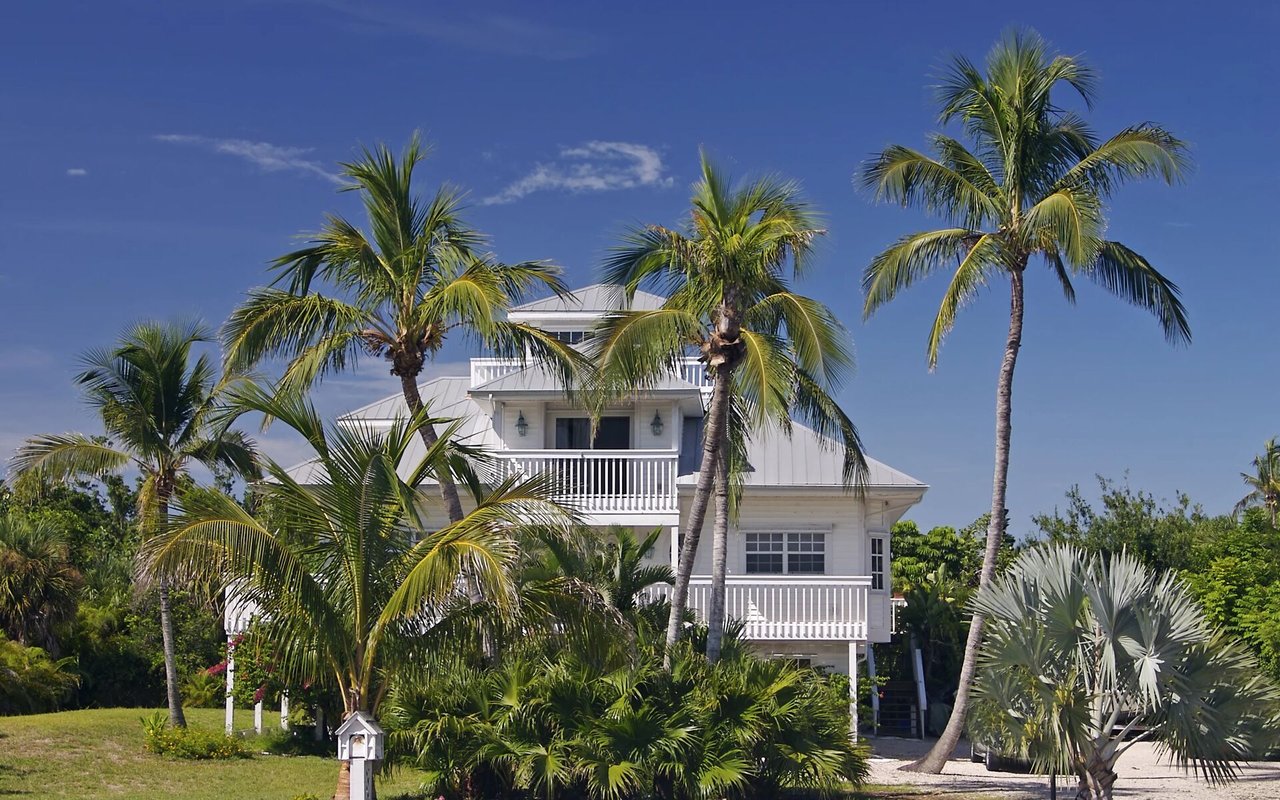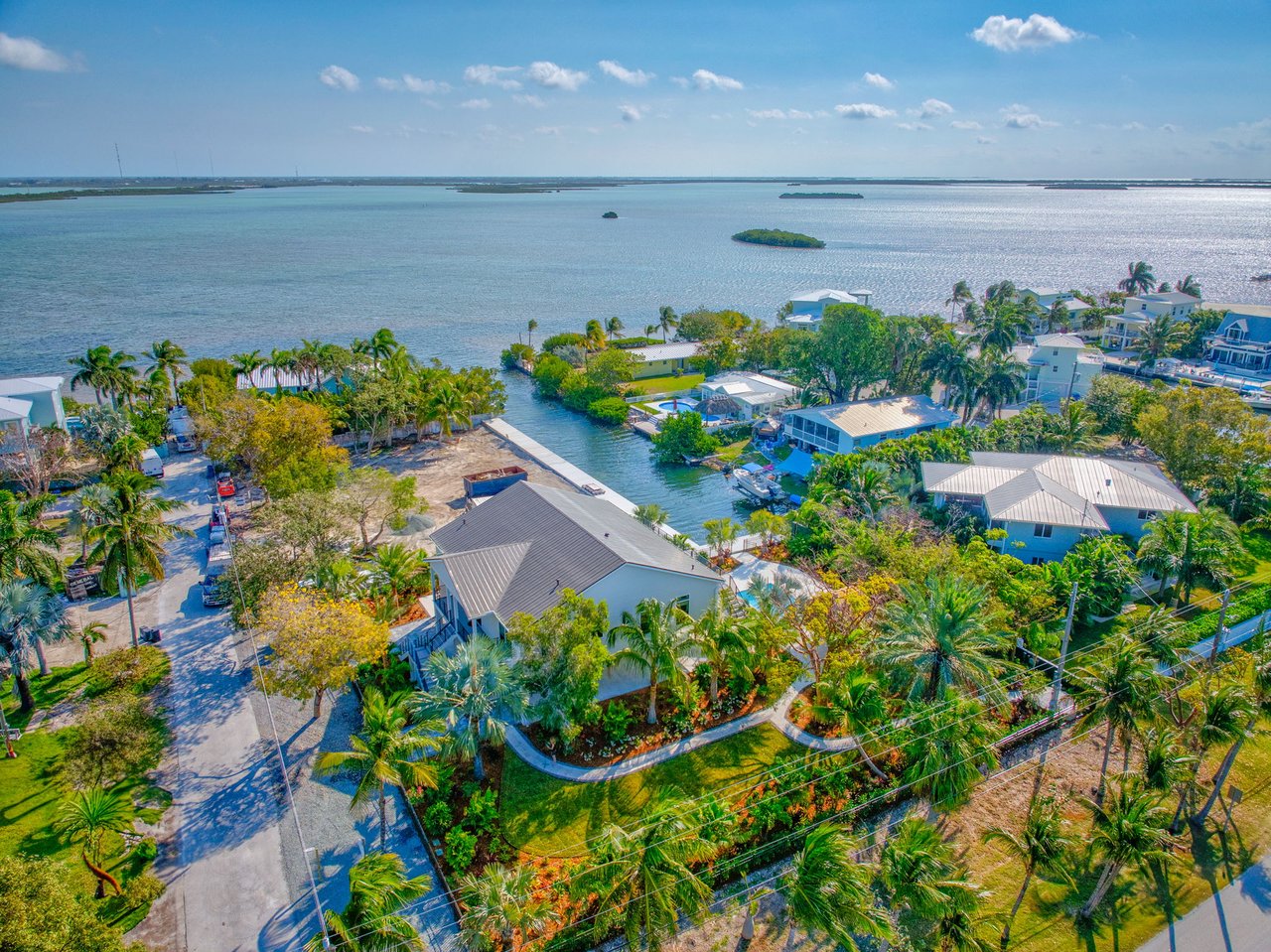
If waterfront living is on your mind, the Lower Florida Keys can feel like a dream at first glance. You picture canal views, a boat behind the house, and easy days on the water, but this market comes with real details you need to understand before you buy. In the Lower Keys, the right property is not just about the view. It is also about boating access, flood readiness, permitting, and how island life works day to day. Let’s dive in.
What Waterfront Living Means Here
Waterfront living in the Lower Florida Keys looks different from what many buyers expect in other coastal markets. Instead of long stretches of beach-front homes, much of the inventory is canal-front, harbor-adjacent, or shoreline-oriented.
That difference matters when you begin comparing homes. In many parts of the Lower Keys, your lifestyle may revolve around dockage, canal depth, boating routes, and access to open water more than direct sandy beach access.
Monroe County also notes that all property in the county is in a floodplain. That means waterfront ownership here is tied closely to planning, preparation, and property-specific due diligence.
Lower Keys Waterfront Areas
Stock Island and Key Haven
Stock Island and Key Haven have a distinctly maritime feel. County planning documents describe Stock Island as a historic maritime community with canals, harbor areas, a major commercial port area, and limited public shoreline access.
The housing mix in this area can be more varied than some buyers expect. County documents note mobile homes, live-aboards, apartments, and deed-restricted affordable units, which creates a mixed-use coastal setting shaped by working waterfront activity as much as residential life.
Because public shoreline access is limited, private boat access often plays a major role in value and daily use. For buyers who want a strong connection to the water, that can make dockage and boating setup especially important.
Big Pine Key and No Name Key
Big Pine Key and No Name Key offer a different kind of waterfront experience. Here, the setting is shaped in part by the National Key Deer Refuge, pine rockland habitat, and conservation-minded land use.
That gives daily life a quieter, more nature-centered rhythm. It also means you may need to think beyond the house itself and pay attention to driving patterns, wildlife awareness, and how protected habitat influences development around you.
Canal Communities Across the Lower Keys
Monroe County canal materials identify residential canal systems on Big Pine Key, Cudjoe Key, Summerland Key, Sugarloaf Key, and Ramrod Key. For many buyers, these canal communities are the heart of Lower Keys waterfront living.
A canal-front home can offer convenience and a true boating lifestyle, but not all canals function the same way. Depth, maintenance, and access can vary, so it is important to look closely at how a particular waterway supports the way you plan to use your boat.
Why Boating Access Deserves a Closer Look
Boating in the Lower Florida Keys is a daily lifestyle for many owners, but it is not casual or one-size-fits-all. Monroe County maintains more than 300 channel markers and 251 regulatory markers across more than 200 miles of nearshore waters, which shows how structured and navigationally sensitive these waters can be.
NOAA also warns that Keys waters are shallow, tide-sensitive, and filled with coral, seagrass, and protected zones. More than 300 groundings are reported each year in the sanctuary, which is a strong reminder that boat access should be evaluated with care.
For you as a buyer, that means a dock behind the house is only part of the story. You also want to understand how easily you can reach your preferred boating areas, what tides may mean for your vessel, and whether the surrounding waters fit your routine.
Outdoor Life Beyond the Dock
One of the biggest draws of the Lower Keys is how much outdoor access is built into daily life. Looe Key is one of the area’s signature dive and snorkel spots, while Bahia Honda State Park offers beaches, kayak launches, nearshore snorkeling, and wildlife viewing.
That variety makes the Lower Keys appealing whether you own a boat or simply want to enjoy the water and natural setting. Snorkeling, fishing, paddling, and birdwatching are not occasional outings here. For many residents, they become part of a normal week.
Big Pine Key also has a wildlife-centered identity. The National Key Deer Refuge is home to more than 20 endangered and threatened plant and animal species, and the refuge advises drivers to use caution in Key Deer country and not feed the deer.
Flood Readiness Is Part of Ownership
In the Lower Florida Keys, flood preparation is not optional background information. It is a permanent part of owning property.
Monroe County states that all county property is in a floodplain, and it also reminds owners that homeowner’s insurance does not cover flood damage. County guidance encourages owners to elevate homes and mechanical equipment above flood levels, install flood openings where required, and check with floodplain officials before building.
This is one of the most important reasons to look beyond finishes and views during your search. The construction details of a home, including elevation and flood-related improvements, can affect long-term ownership far more than buyers sometimes expect.
What to Review Before You Buy
Monroe County says structures built after December 31, 1974 must have the lowest floor elevated to or above base flood elevation. The county also advises buyers to review permitting history before purchasing.
That review can help you understand how a home has been improved, whether work appears properly documented, and what future updates may involve. In a tightly managed island environment, this kind of review is especially important.
County building guidance also highlights several practical items that can matter during ownership:
- Elevation certificates
- Sewer backflow valves
- Flood-resistant materials
- Raised electrical components
- Use of licensed contractors
These are not small technicalities. They can shape maintenance costs, renovation planning, and how well a property is prepared for storm and flood conditions.
Permits, Growth Limits, and Rebuild Potential
The Lower Keys are not a market where location alone tells the whole story. Monroe County’s ROGO and NROGO system is a competitive allocation process tied to hurricane evacuation capacity and conservation goals.
For buyers, that means lot availability and rebuild potential can be just as important as present-day features. If you are considering vacant land, redevelopment, or a property with long-term improvement plans, local permitting context should be part of your decision from the start.
This is one reason local guidance matters so much in the Lower Keys. Two homes with similar views may present very different future options depending on permits, history, and development constraints.
Daily Services in the Lower Keys
Island living is beautiful, but it also works on regional systems that are not always uniform from one area to the next. FKAA provides potable water throughout the Keys and central wastewater services in seven regions.
Garbage collection can vary by mile-marker corridor, which is a small but useful detail for day-to-day planning. The Lower Keys Shuttle also runs along US-1 and stops in places including Stock Island, Big Pine Key, Cudjoe Key, Ramrod Key, Bahia Honda, and Marathon.
If you are buying a full-time residence, a second home, or a property you will use seasonally, these service patterns can shape convenience more than you might think. Practical access matters just as much as the setting.
Emergency Planning Matters More on the Water
Remote and second-home buyers should pay close attention to emergency planning. Monroe County uses a phased evacuation system and advises residents to map a route, leave early if ordered, bring important documents and medications, secure boats and shutters, and know their re-entry zones.
That guidance is part of normal ownership in the Lower Keys. Waterfront living here is deeply rewarding, but it also asks you to be organized and realistic about storms and access.
For Big Pine owners, there is another layer to consider. County guidance says wooded lots, low humidity, and drying fuels can increase wildfire danger, which makes defensible space an important part of property planning.
Medical Access and Peace of Mind
Routine and urgent medical care are available in the Keys, but advanced specialty care is on the mainland. Monroe County says there are no trauma, therapeutic cardiac, or neurosurgical centers in the Keys.
Lower Keys Medical Center offers 24-hour emergency care in Key West, and Trauma Star provides county air-ambulance transport for critical mainland transfers. For some buyers, especially second-home owners or those planning longer stays, that is an important part of understanding day-to-day readiness.
Is Lower Keys Waterfront Living Right for You?
The Lower Florida Keys are best understood as a marine lifestyle shaped by access, adaptation, and planning. If you want a home where boating, nature, and island pace all come together, this area offers a rare kind of everyday experience.
At the same time, the best purchase decisions here usually come from looking beyond the photo-worthy features. You want to understand flood readiness, canal characteristics, permitting history, evacuation planning, and how a property functions in a shallow-water, storm-aware environment.
That is where local perspective becomes especially valuable. If you are exploring waterfront homes in the Lower Florida Keys, The Spottswood Team can help you evaluate the details that matter most and find a property that truly fits the way you want to live.
Who You Work With Matters
Waterfront living in the Lower Florida Keys is about much more than finding a beautiful view. The best decisions happen when you understand the full picture, including boating access, canal depth, flood readiness, permitting history, elevation, insurance considerations, and how a property truly fits the lifestyle you want to live.
Two waterfront homes may look similar online, yet offer completely different ownership experiences depending on location, access, and long term potential. That is why local insight matters.
At The Spottswood Team, we believe informed buyers make better decisions. Whether you are searching for a canal front retreat, a boating paradise, or a waterfront second home, having a local team who understands the details can make all the difference.
Who You Work With Matters,
THE SPOTTSWOOD TEAM
Terri Spottswood, John Spottswood, Ted Stewart
305-432-4848
[email protected]
Truman & Co. Real Estate
FAQs
What types of waterfront homes are common in the Lower Florida Keys?
- Most waterfront inventory is canal-front, harbor-adjacent, or shoreline-oriented rather than traditional beach-front property.
What should buyers know about flood risk in the Lower Florida Keys?
- Monroe County says all property in the county is in a floodplain, so buyers should review elevation, flood-related improvements, and permitting history carefully.
What makes boating in the Lower Florida Keys different from other coastal areas?
- Local waters are shallow, tide-sensitive, and environmentally protected in many areas, so dockage alone does not tell you everything about how usable a property will be for boating.
What islands have notable canal-front residential areas in the Lower Florida Keys?
- Monroe County identifies residential canal systems on Big Pine Key, Cudjoe Key, Summerland Key, Sugarloaf Key, and Ramrod Key.
What practical ownership details matter most for Lower Florida Keys homes?
- Buyers should pay close attention to flood readiness, elevation certificates, raised electrical components, sewer backflow valves, licensed-contractor work, utilities, and evacuation planning.