If you own a historic cottage in Old Town, you already know this is not a standard home sale. Buyers are not just comparing square footage. They are looking at character, condition, approvals, and how well the property fits the historic fabric of Key West. The good news is that with the right prep and pricing strategy, you can present your cottage in a way that protects its charm and strengthens buyer confidence. Let’s dive in.
Why Old Town cottages need a different selling strategy
Old Town sits within the Key West Historic District, an area with a long preservation framework and national historic recognition. That means your home may be judged on details that would not matter as much in another neighborhood.
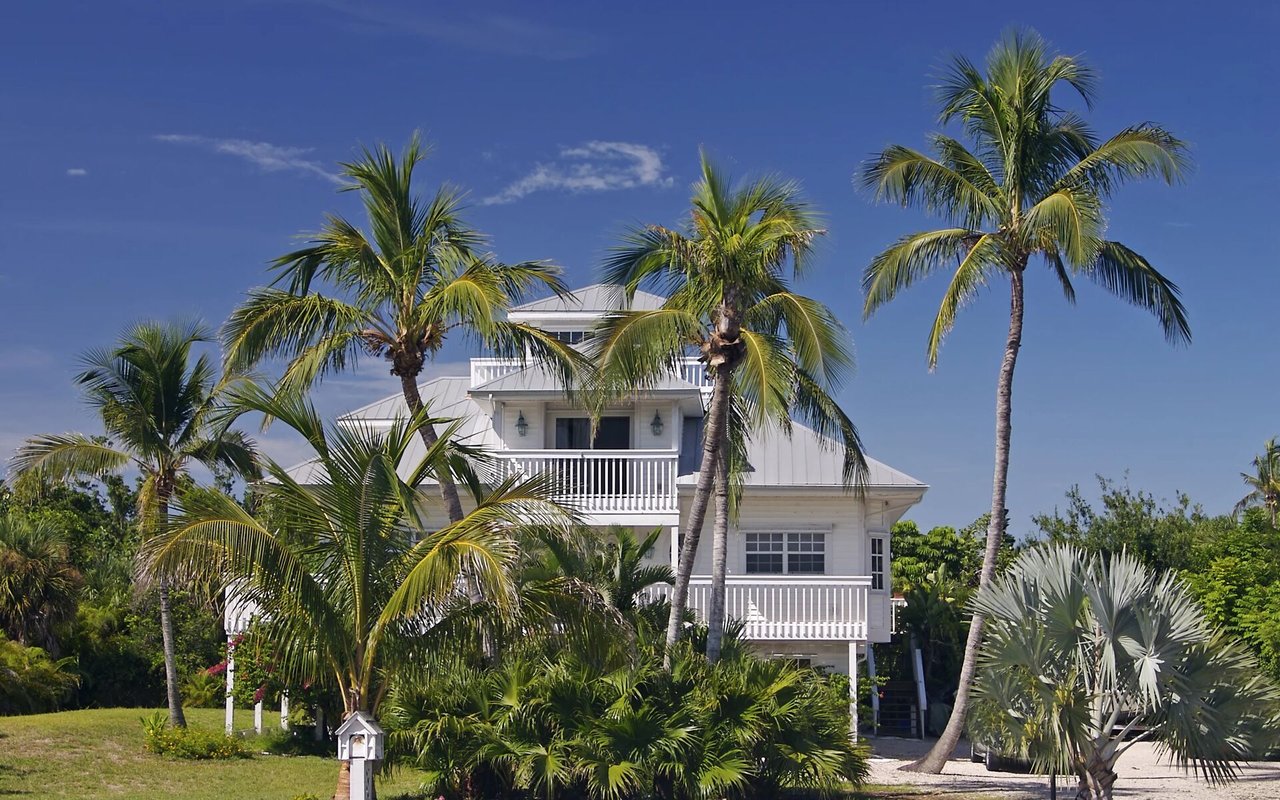
In this part of Key West, value often comes from architectural character as much as size. City guidelines identify features like wood cladding, front-gabled forms, porches, shutters, raised construction on piers, ventilation elements, and traditional cottage forms as part of what makes these homes distinct.
If your cottage has those features, they are not just charming details. They may be central to how buyers understand the property and what makes it special in the Old Town market.
Start with preservation-minded prep
When you prepare a historic cottage for sale, the smartest approach is usually to repair first and replace second. Preservation standards and local guidelines both support keeping distinctive materials and details whenever possible.
That matters because buyers in Old Town often respond to authenticity. Original or repaired wood windows, porches, shutters, railings, trim, lattice infill, and the original roof form can all help tell the story of the home.
Focus on features buyers notice
Before making updates, walk the property with fresh eyes and identify the architectural elements that define it. In many Old Town cottages, that includes:
- Front porches
- Wood trim and railings
- Shutters
- Original or repaired wood windows
- Raised construction with lattice infill
- Traditional roof shape
- Historic color palette with light, subdued tones
These details can help your home stand out because they connect directly to the cottage style that buyers expect in Old Town.
Be careful with replacement choices
If a feature is too deteriorated to keep, replacement should be handled thoughtfully. City guidelines say replacement elements should match the old configuration, dimensions, materials, and color when replacement is justified.
Windows deserve extra attention. Historic windows on individually listed properties should be retained and preserved when possible, and replacement may be considered when a large share of the historic material has been lost. If window work has already been done, gather records that show it was handled properly.
Check HARC and permit issues early
One of the biggest mistakes sellers make is assuming simple exterior work does not need review. In Key West, a Certificate of Appropriateness may be required for exterior painting, repairs, alterations, remodeling, landscaping, demolition, and new construction.
The city also notes that building permits are generally required for work over $1,000, and the COA process now runs separately from the building permit process. Incomplete permit applications are not accepted, so it helps to get organized before you list.
What to verify before you go live
Before your cottage hits the market, confirm:
- Whether past exterior work required a COA
- Whether permits were pulled and closed out
- Whether paint colors and exterior materials align with local guidance
- Whether any planned touch-ups could trigger review
- Whether buyers will need copies of approvals during due diligence
Most COA applications are approved at staff level, but larger or noncompliant projects may go to the HARC agenda. That can affect timing, so it is better to find out early than to be surprised mid-sale.
Additions and visible changes get close review
If your property has an addition or you have considered adding space before selling, know that additions are reviewed carefully. City guidance says additions should be on less public elevations, lower than the original building height, and minimized where possible.
The city also encourages looking at interior reconfiguration before changing the exterior. Roof decks and widow’s walks are not allowed on new residential development, and roof-mounted equipment should not be visible from the public domain.
Build a clean seller document package
Historic homes often sell more smoothly when the paperwork tells a clear story. Buyers want confidence that the home’s charm is backed by proper approvals, thoughtful repairs, and useful property records.
A strong pre-listing package can also reduce questions and help support your asking price.
Documents worth gathering now
Try to collect:
- Property record information
- Permit history
- Certificates of Appropriateness
- Invoices for repairs or restoration work
- Before-and-after photos
- Flood documents
- Elevation certificates, if available
In a selective market, documentation can help your cottage feel more transparent and more market-ready.
Don’t overlook flood details
Flood information is part of smart pre-sale prep in Key West. The city notes that Key West is subject to coastal and shallow flooding and storm surge, and some areas include Coastal A zones with enhanced construction requirements.
That means buyers may look closely at flood zone information, elevation details, utility placement, and insurance implications. If you already have flood-related documents, organize them before listing.
Why flood prep helps your sale
Good flood documentation can make your listing easier to understand and easier to compare. It may also reduce uncertainty for buyers who are not familiar with Key West’s coastal conditions.
The city also notes that it participates in the National Flood Insurance Program and has a CRS Class 5 rating, which produces a 25% discount on most flood insurance policies. For some historically contributing structures, historic building exemptions may apply to substantial-improvement rules, though utility equipment is not exempt.
Price with the market, not with emotion
Historic cottages can be deeply personal homes, and that can make pricing tricky. But in a market like Old Town, smart pricing starts with verified sales, current competition, condition, and how your property fits this very specific submarket.
Monroe County’s Property Appraiser values parcels annually using sales comparison, cost, and income approaches, while also verifying sales data and inspecting properties. That makes legal improvements, condition, and market exposure especially important.
Old Town behaves like its own market
Recent public market trackers show Old Town performing differently from Key West overall. Zillow reported Old Town’s average home value at $1,269,978 as of April 30, 2026, compared with $1,025,814 citywide in Key West.
That puts Old Town roughly 24% above the citywide average, which is a useful reminder that buyers often see this area as its own submarket. At the same time, the broader market appears slower and more selective than it was in hotter periods.
What current numbers suggest
Public market data also points to a more careful buyer pool. Zillow reported 53 homes for sale in Old Town with a median list price of $1,397,367, while Redfin’s citywide tracker showed a median sale price of $1.27 million over the last three months, about 125 days to sell, and average sales closing roughly 6% below list.
For you as a seller, that means overpricing can cost valuable time. A well-prepared cottage with a realistic price and strong presentation is usually in a better position than a charming home that starts too high and sits.
Position your cottage around what buyers value
Old Town buyers often respond to a mix of preserved character and practical livability. Public listing examples in the area suggest the market commonly rewards renovated interiors, private or fenced outdoor space, off-street or gated parking, and multi-unit or mixed-use potential where legally applicable.
That does not mean every property needs all of those features. It means your marketing should highlight the specific combination your cottage offers.
What your listing should emphasize
Depending on the property, strong selling points may include:
- Preserved architectural character
- Documented approvals and permit history
- Functional updates that support daily living
- Outdoor entertaining space
- Fenced or private yard areas
- Off-street parking or gated access
- Flexible legal use, if supported by the property record
This is where strategy matters. The goal is not to make your cottage sound generic or overproduced. The goal is to show buyers how historic charm, livability, and paperwork come together in one clear package.
A smart selling plan for Old Town
Selling a historic cottage the smart way usually comes down to five steps:
- Identify the character-defining features worth preserving and showcasing.
- Review permit history, COAs, and any exterior work before listing.
- Gather flood documents, elevation records, and repair receipts.
- Price from current market evidence, not memory or sentiment.
- Market the home with a clear story about character, condition, and compliance.
That kind of preparation helps buyers feel informed and helps your property compete on more than looks alone.
If you are getting ready to sell an Old Town cottage, the best results usually come from combining local market knowledge with renovation awareness and careful pre-listing planning. That is especially true in a place where architecture, paperwork, and buyer perception all matter. If you want a thoughtful plan for your property, connect with KeyWestTed for guidance tailored to your home and your timeline.
FAQs
What makes an Old Town Key West cottage different from a typical home sale?
- Old Town cottages are often valued for historic character, architectural details, condition, approvals, and how well they fit the Key West Historic District, not just for size or updates.
What repairs on a Key West historic cottage may require approval?
- In Key West, exterior painting, repairs, alterations, remodeling, landscaping, demolition, and new construction may require a Certificate of Appropriateness, and work over $1,000 generally requires a building permit.
What should sellers preserve in a historic Old Town cottage?
- Sellers should try to preserve character-defining features such as porches, shutters, trim, railings, wood windows, lattice infill, and the traditional roof form whenever possible.
Why do flood documents matter when selling in Key West?
- Flood documents matter because buyers may review flood zones, elevation details, insurance implications, and any available elevation certificates when evaluating a coastal property in Key West.
How should you price an Old Town Key West cottage?
- You should price it using current sales, active competition, condition, legal improvements, and the reality that Old Town often behaves like its own submarket within Key West.
What documents help sell a historic cottage in Old Town?
- Helpful documents include property records, permit history, Certificates of Appropriateness, repair invoices, photos of completed work, flood documents, and elevation certificates if available.