Looking for a Key West home that feels livable day to day, not just picturesque on vacation? Midtown often stands out for exactly that reason. If you want a central island location, practical housing options, and easy access to beaches, parks, and daily essentials, this area deserves a closer look. Let’s dive in.
Why Midtown Feels Different
Midtown is best understood as Key West’s central residential band. Midtown is located in the geographic center of Key West, roughly bounded by North Roosevelt Boulevard (U.S. Route 1) to the north, Leon Street to the west, Atlantic Boulevard to the south, and 1st Avenue to the east. It serves as a peaceful residential bridge between historic Old Town and the commercial New Town.
That middle location matters if you want a home base that feels more residential. Key West’s police department serves about 25,000 full-time residents and more than two million visitors each year, so many buyers appreciate neighborhoods that feel less driven by visitor activity and more connected to everyday island living.
What Homes in Midtown Are Like
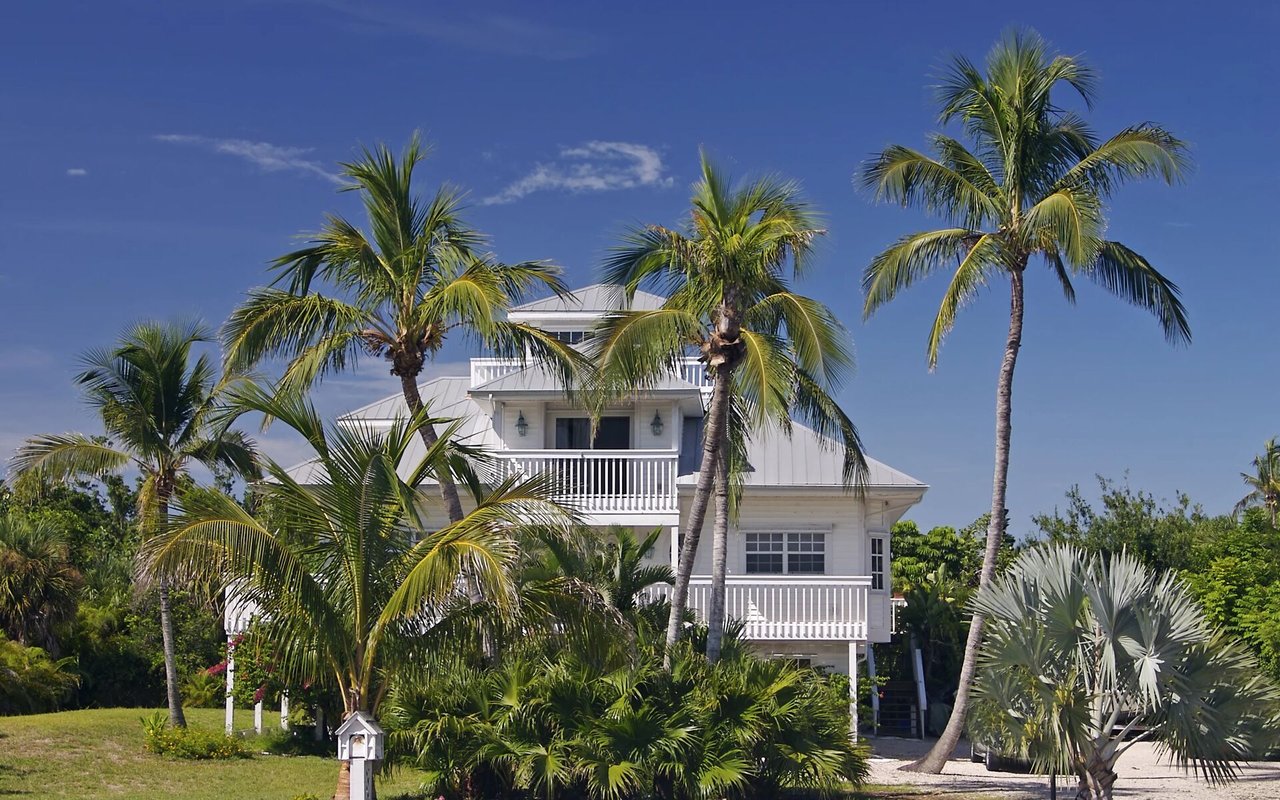
Midtown homes are often valued for comfort and flexibility. While Key West’s broader architectural character includes frame vernacular homes, cigar maker’s cottages, eyebrow houses, Bahama houses, Queen Anne homes, and bungalows, Midtown is commonly described in local housing guides as a district shaped heavily by 1940s and 1950s growth.
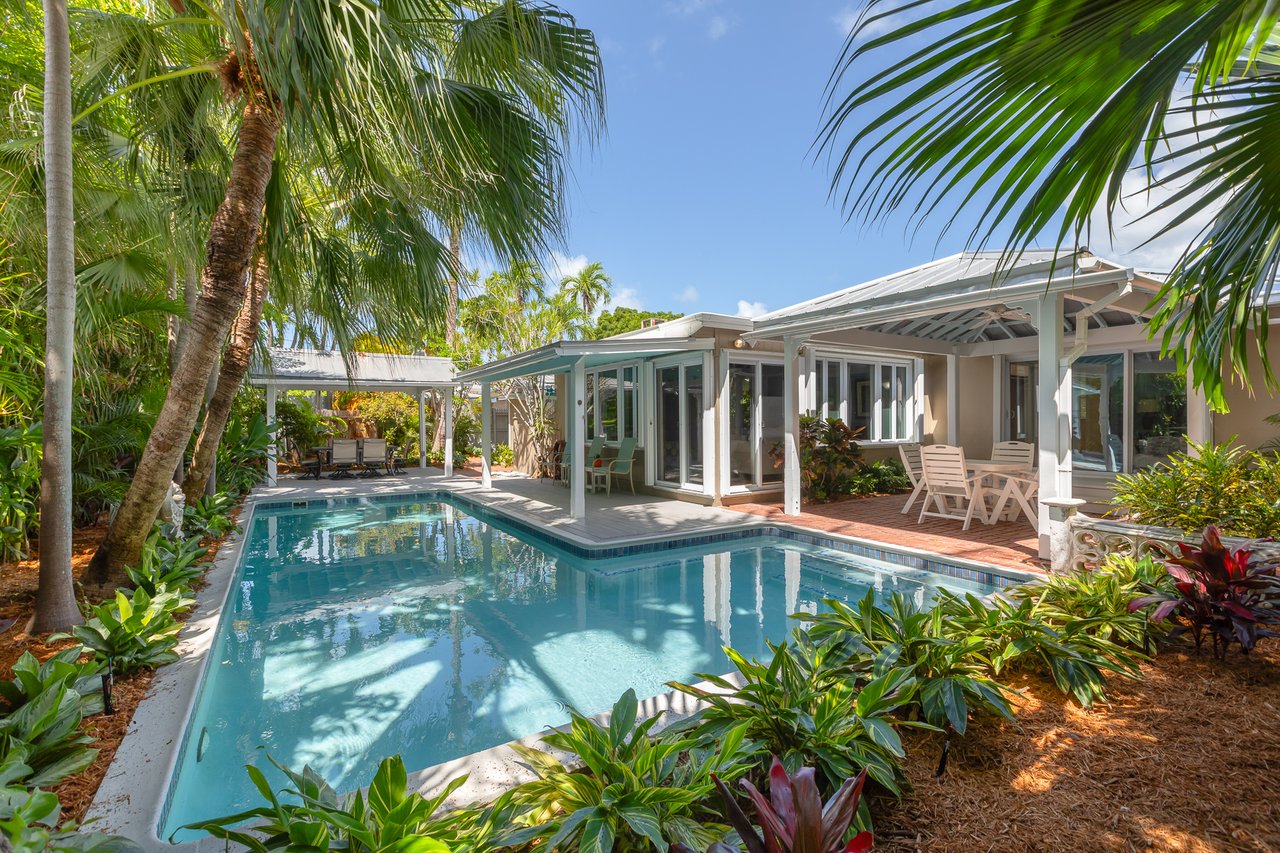
In practical terms, that often means lower-slung homes, including many mid-century ranch-style properties. Buyers are often drawn to features like larger yards, carports, off-street parking and space that may feel easier to adapt than homes in the denser historic core.
That does not mean every property is the same. Midtown can include a mix of housing types, lot conditions, and rule sets, so it is important to look at each address individually rather than assume the whole neighborhood works one way.
Why Comfortable Island Living Works Here
Comfortable island living usually comes down to how a home supports your routine. Midtown tends to appeal to buyers who want room to spread out while staying close to the parts of Key West they actually use throughout the week.
You may find that the area offers a practical balance of residential streets, outdoor access, and central convenience. Instead of feeling tucked into a visitor-heavy setting, Midtown can feel like a place where you settle in, unpack, and live.
Outdoor Access Near Midtown
One of Midtown’s biggest strengths is how close it sits to public outdoor amenities. If beach time, walking paths, open air, and casual recreation matter to you, this part of Key West puts a lot within easy reach.
Higgs Beach is a major draw in the corridor. The city says it covers more than 16 acres and includes calm shallow water, a renovated wooden pier, playgrounds, picnic tables, tennis courts, and volleyball.
Edward B. Knight Pier, often called White Street Pier, is another nearby public space that the city says is popular with residents and visitors and is dog-friendly.
Smathers Beach is also nearby and remains the city’s largest public beach at about half a mile long, with roughly 150,000 annual patrons. For households that want a park-focused routine, Cozumel Park offers the city’s only public splash pad.
Daily Convenience and Getting Around
Location is not just about scenery. It is also about how easy your day feels once you live there.
Key West Transit serves Key West, Stock Island, the Lower Keys, and Marathon. The city also notes that the newer on-demand service replaced the old North and South Lines, which is useful context if you are thinking about island mobility beyond driving.
Nearby public facilities also support day-to-day life. Horace O’Bryant School is on Leon Street, and Key West High School is on Flagler Avenue, placing key community destinations within the broader Midtown area.
What Buyers Should Verify First
In Midtown, lifestyle appeal is only part of the picture. Before you fall in love with a property, you should confirm the specific site conditions and local requirements tied to that address.
A few items should rise to the top of your list:
- Flood zone
- Elevation and ground height
- Historic-district status
- Land-use designation
- Permit history
- Whether planned exterior work may require local review
These checks matter because two homes that look similar from the street can come with very different ownership considerations.
Flood Zones and Elevation Matter
In Key West, flood and elevation are central parts of due diligence. The city says FEMA Flood Insurance Rate Maps are the official standard for flood-zone decisions, and that most Key West buildings and lots are in A zones, while shoreline parcels may be in V zones.
The city also states that new or substantially improved residential structures in AE or V zones generally must be elevated to at least base flood elevation plus one foot. For buyers considering renovation potential, this can affect cost, design, and project scope in a significant way.
Because Midtown is in a low-lying coastal environment, it is smart to review the city’s interactive flood maps, ground-height map, and historical flood-map archive for any property you are considering. This is one of the most important early steps in evaluating true long-term comfort and ownership costs.
Historic Review Can Affect Renovations
Some buyers assume Midtown is free of the review issues often associated with older Key West neighborhoods. That can be a mistake.
The city says a Certificate of Appropriateness may be required for new structures, fences, decks, signs, exterior painting, repair, alteration, remodeling, landscaping, or demolition in the historic district. HARC reviews work for consistency with the city’s historic architectural guidelines.
That means you should verify the historic-district map and HARC jurisdiction for each address. If you are thinking about changing windows, repainting an exterior, adding a deck, or expanding the footprint, it is worth knowing the rule set before you buy.
Permits and Growth Rules to Know
If you are planning updates, permits matter too. The city requires a building permit for work valued at more than $1,000, and it says incomplete permit applications are no longer accepted.
Key West also uses BPAS as the primary tool to regulate new residential growth. Combined with the city’s ongoing planning around sea-level rise, storm surge, flooding, heat, and infrastructure resilience, that means renovation timelines and feasibility can be more complex than buyers expect.
For many Midtown homes, especially older properties or homes with additions, careful review up front can save time and frustration later.
Who Midtown Often Suits Best
Midtown can be a strong fit if you want a home that supports full-time use, part-time island living, or a relocation plan centered on comfort and convenience. Buyers who value outdoor space, central access, and a more residential feel often respond well to this area.
It can also appeal to people who want a property with adaptable living space. A yard, carport, or expansion potential may offer a different ownership experience than the tighter lots and denser layout found in other parts of Key West.
The key is matching the home to your priorities. In Midtown, that usually means weighing daily livability just as carefully as charm.
Who You Work With Matters
Finding the right home in Midtown Key West is about more than bedrooms, bathrooms, and square footage. Every property has its own story, and important details like flood zones, permitting history, renovation potential, lot conditions, and long term ownership goals can all influence your decision.
That is why local knowledge matters. Understanding Key West block by block helps buyers recognize opportunities, compare properties more effectively, and identify potential challenges before they become costly surprises.
Whether you are searching for a full time residence, second home, or your next chapter in Key West, having a team that understands both the lifestyle and the details behind each neighborhood can make all the difference.
Who You Work With Matters,
THE SPOTTSWOOD TEAM
Terri Spottswood, John Spottswood, Ted Stewart
305-432-4848
[email protected]
Truman & Co. Real Estate
FAQs
What types of homes are common in Midtown Key West?
- Midtown is often associated with mid-century ranch-style homes, along with a broader Key West architectural backdrop that includes frame vernacular homes, eyebrow houses, Bahama houses, Queen Anne homes, and bungalows.
Is Midtown Key West convenient without a car?
- Midtown can be more practical than a car-dependent setting because Key West Transit serves the island and nearby areas, and the broader corridor includes beaches, parks, and public facilities.
What should buyers check before buying a Midtown home?
- Buyers should verify the flood zone, elevation, historic-district status, land-use designation, permit requirements, and whether planned exterior changes may need local review.
Do Midtown homes in Key West face historic review rules?
- Some do. Buyers should check each property against the city’s historic-district map and HARC jurisdiction tools because review requirements can vary by address.
Why do buyers choose Midtown Key West for island living?
- Many buyers are drawn to Midtown for its central location, more residential feel, access to beaches and parks, and housing options that may offer larger yards or more adaptable space.